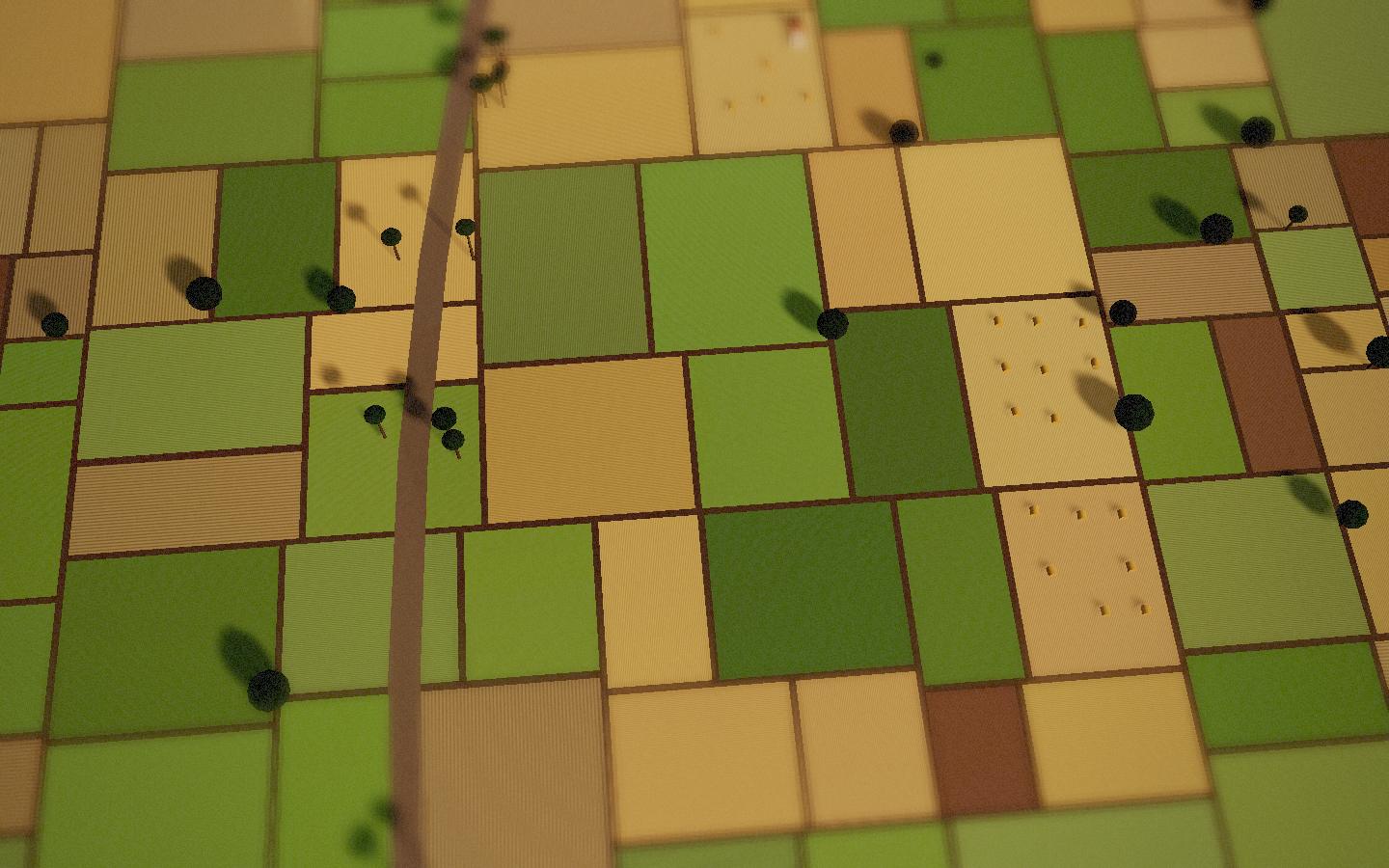
Warangal, Telangana
Crop waste gets burned.
Coal gets mined.
We fix both.
We buy the residue farmers would otherwise burn, bale it, pelletise it, and deliver it to industry as a coal replacement. Every tonne measured, from field to boiler.
The problem
Two fires, thirty kilometres apart.
In the field
The residue has nowhere to go, so it burns.
After harvest a farmer is left with tonnes of crop residue, paddy straw, maize stover, cotton stalk, and a few days to clear it before the next sowing. There is no buyer and no time. So it is set on fire. The farmer earns nothing; the smoke and the lost soil carbon are the price everyone else pays.
₹0
what a farmer earns from burning their residue today
In the boiler
Industry needs biomass and cannot find it.
Down the road, power plants, pharma units and food processors run boilers on coal railed in from other states. Many are now required to blend biomass into that coal, and they cannot find a supply that is dry, consistent and reliably delivered.
2.67M t
India's monthly biomass supply gap
The residue burning in the field is the fuel the boiler is looking for. Nobody connects the two at scale. That is what ReHarvest does.
What we do
Field to boiler, in four steps.
This is the whole business on one line: collect what would burn, make it into fuel, deliver it, and prove every step.
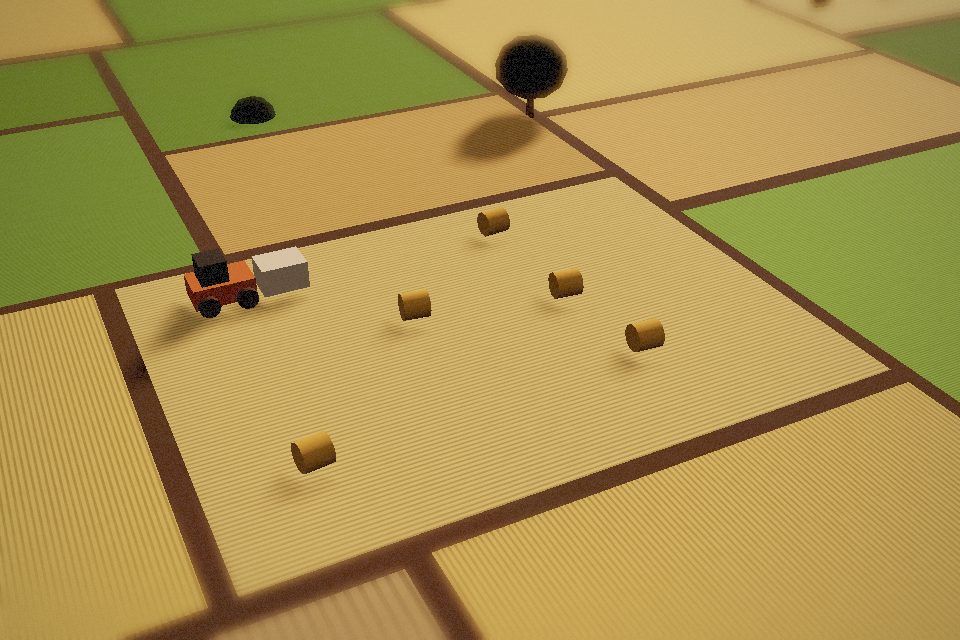
01
Collect
A ReHarvest agent in your mandal maps your field and agrees the price. We collect after harvest: paddy straw, maize stover, cotton stalk, whatever the crop leaves behind. Farmers are paid ₹1,000 per acre, with no upfront cost.
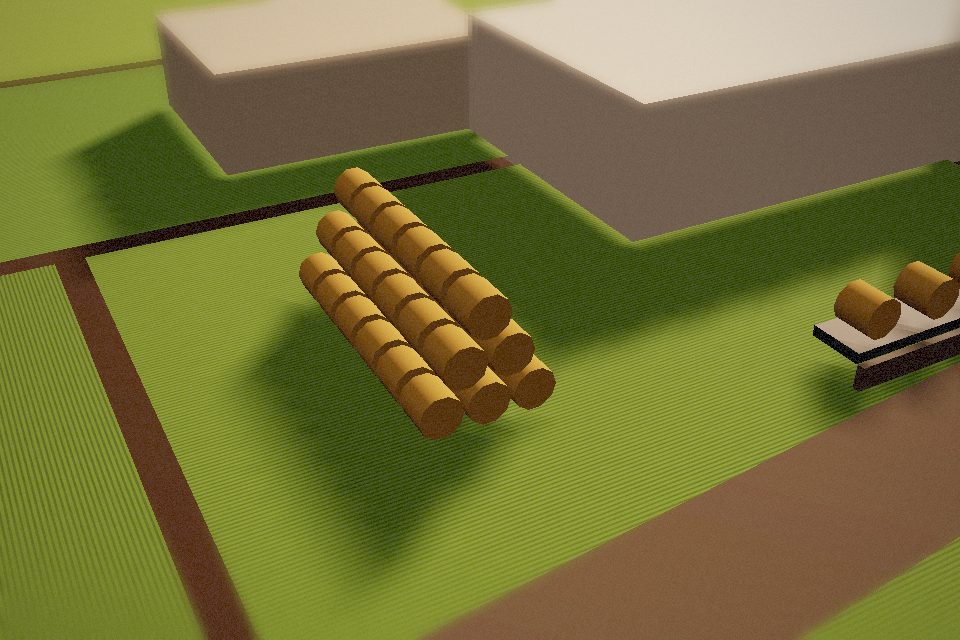
02
Bale
Residue is baled in the field and moved to our yard within days, inside the window in which it would otherwise have been burned.
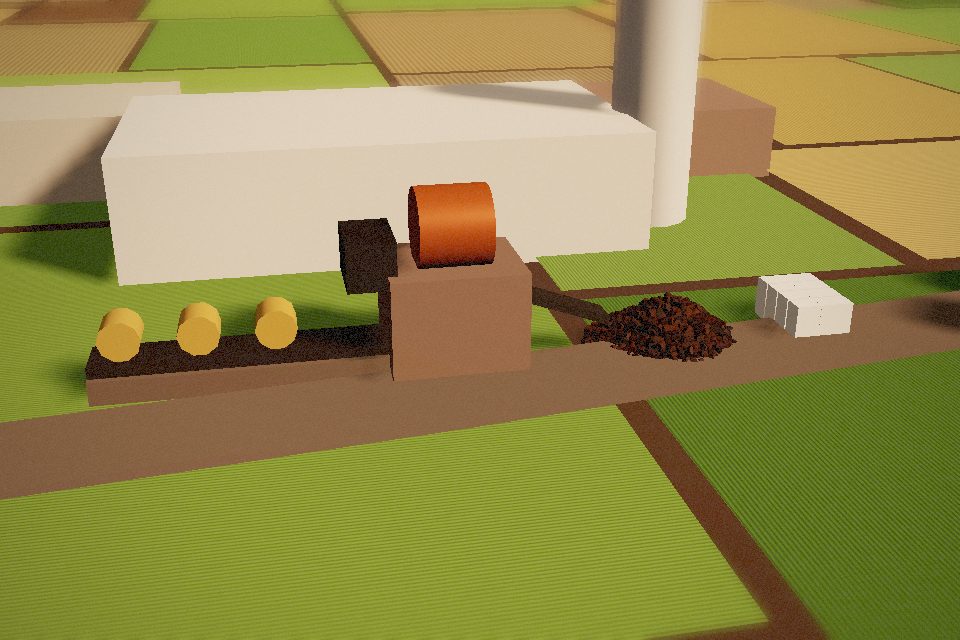
03
Pelletise
Bales are dried, milled and pressed into pellets: dense, dry, uniform fuel that stores and ships like coal. Any residue, one product, tested for GCV, moisture and ash.
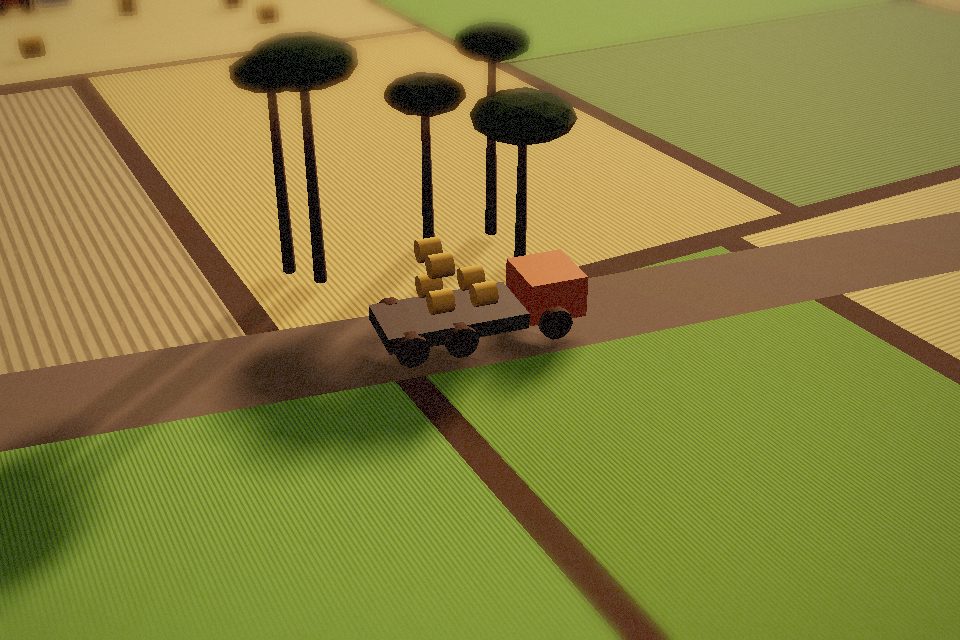
04
Deliver
Pellets go to power plants, pharma and food processors that need biomass to cut coal, with the traceability record for every lot.
Illustrations are 3D renders of the process, not photographs of our sites.
Digital MRV
Every tonne has a receipt.
Carbon claims fail on paper trails. Ours starts at the field boundary. The plot is GPS-mapped by an agent, the pickup is photographed, the lorry is weighed on a digital weighbridge, and the delivery is logged against the buyer. One record follows the biomass from farm to boiler, so a buyer, an auditor or a credit registry can check it without taking our word for it.
Plot mapping
GPS boundary, acreage, crop, farmer ID
Pickup evidence
Geotagged photos at collection
Weighbridge
Digital weight per lorry, per lot
Delivery ledger
Lot matched to buyer and boiler
Plot WGL-NRS-0042
Example record
Mandal
Narsampet
Area
2.4 acres
Crop
Paddy
- Day 0Field mapped · agent visit, GPS boundary
- Day 7Residue collected · 6 geotagged photos
- Day 7Weighed 3.1 t · weighbridge WB-01
- Day 9Farmer paid ₹2,400 · UPI
- Day 14Delivered · buyer lot #118
Who it's for
Two doors.
For farmers
Earn from the waste you would burn.
We pay a flat ₹1,000 per acre and handle everything else: the baler, the loading, the lorry.
- No upfront cost, no equipment
- Cleared within days of harvest
- Paid directly, by UPI
- A ReHarvest rep in your mandal, reachable on WhatsApp
For buyers
Biomass you can plan around.
Pellets and raw biomass, quality-verified per lot, delivered to your boiler on a schedule you can hold us to.
- Pellets and baled biomass, specified per lot
- Traceable to the field it came from
- Delivered CFR to plant
- Quotes through ReHarvest Exchange
Where we are
Pilot: Warangal district, Telangana · 2026
13
mandals in scope
Open
farmer sign-ups
Next
first deliveries, post-kharif
Get in touch
Let's talk
Buying pellets, farming in Warangal, or working on carbon measurement: write to us and a person replies.